
Top 15 First-Time Home Buying Tips
Buying your first home is a milestone moment, but it’s also one of the biggest financial decisions you’ll ever make. With so many moving parts, including credit scores, down payments, mortgage options, inspections, and negotiations, it’s easy to feel overwhelmed before you even start.
The good news is that a little preparation goes a long way. Here are 15 of the most important first-time home buying tips to consider, so you can avoid common mistakes, strengthen your offer, and move through the process with clarity and confidence.
- Key Takeaways
- Understanding Your Financial Situation: First-Time Home Buying Tips Start Here
- Tip #1: Credit Score Importance
- Tip #2: Debt-To-Income Ratio Management
- Tip #3: Build Your Down Payment & Closing Costs
- Tip #4: Know Your Mortgage Loan Options
- Tip #5: Preparing For Homeownership
- Tip #6: Mortgage Prequalification
- Tip #7: Researching Neighborhoods
- Tip #8: Home Buying Wish List
- Tip #9: Finding The Right Real Estate Agent
- Tip #10: House Hunting
- Tip #11: Making An Offer And Negotiating
- Tip #12: The Importance Of Home Inspections And Appraisals
- Tip #13: Understanding Home Insurance
- Tip #14: Closing Process And Moving In
- Tip #15: Long-Term Home Ownership Success
- Reach Out to a Trusted Real Estate Agent to Start the Journey
-
FAQ About First-Time Home Buying
- What credit score do I need to buy a house for the first time?
- How much money do I need for a down payment on a home?
- What is debt-to-income ratio (DTI), and why does it matter?
- What’s the difference between prequalification and preapproval?
- How long does the home-buying process take?
- What are closing costs when buying a home?
- Do I really need a real estate agent as a first-time buyer?
- What home-buying tips should I prioritize when house hunting?
- Is a home inspection necessary when buying a house?
- How can I avoid becoming “house poor” when buying a home?
- Are there first-time homebuyer assistance programs available?
- What expenses should I plan for after closing?
Key Takeaways
- Before house hunting, evaluate your credit score, debt-to-income ratio, assets, and monthly budget. Just because you’re approved for a certain amount doesn’t mean you should spend it.
- A higher credit score can mean better interest rates, lower monthly payments, and smaller down payment requirements. Improving your credit before applying can save you thousands in the long term.
- Most lenders prefer a total DTI under 45%, and the lower the better. Paying down debt before applying for a loan strengthens your approval odds and increases your financial comfort. Buyers should consult a mortgage lender who can advise on which debts to prioritize to make the biggest impact on DTI and credit score.
- First-time buyers may qualify for down payments as low as 3% (or even 0% with assistance programs), but closing costs and upfront expenses must also be budgeted for.
- FHA, VA, USDA, and conventional loans each offer unique benefits, and comparing APR, loan terms, fees, and down payment requirements helps you choose the best fit.
- A mortgage prequalification letter clarifies your budget, strengthens your offer, and makes you more competitive in a tight market.
- Consider schools, commute times, safety, market trends, and community atmosphere. Also, visit the area at different times of day to ensure it truly fits your lifestyle.
- Create a practical wish list and avoid emotional decisions. Focus on location and layout, which are features you can’t easily change.
Understanding Your Financial Situation: First-Time Home Buying Tips Start Here

Buying your first home is such a special milestone! It’s exciting, a little nerve-wracking, and full of possibility all at once. This season of life should feel empowering, not overwhelming, and with the right information for first-time home buyers, you can move through the process feeling prepared, informed, and confident about every decision you make.
Becoming a homeowner for the first time isn’t just about purchasing property. It’s about creating a space that’s truly yours and building long-term financial stability, all while investing in your future. If you’re ready for a helpful overview of what the journey looks like, these home buying steps walk you through the process from start to finish so you know what to expect.
Before you move too far ahead, take a thoughtful look at your current financial picture. This is one of the most important tips for buying a house. Ask yourself honest questions about where you stand today, and remember that lenders will focus on three main areas when reviewing your application: your credit history, your debt-to-income ratio, and your assets (like savings and investments).
That said, approval isn’t the same thing as comfort. Even if you qualify for a $500,000 loan, that doesn’t automatically mean you should spend $500,000. The most important number is the one that fits comfortably into your monthly budget while still supporting your other financial goals.
With a clear understanding of your finances and the right guidance along the way, you’ll be well on your way to turning that first set of house keys into something truly meaningful.
Tip #1: Credit Score Importance
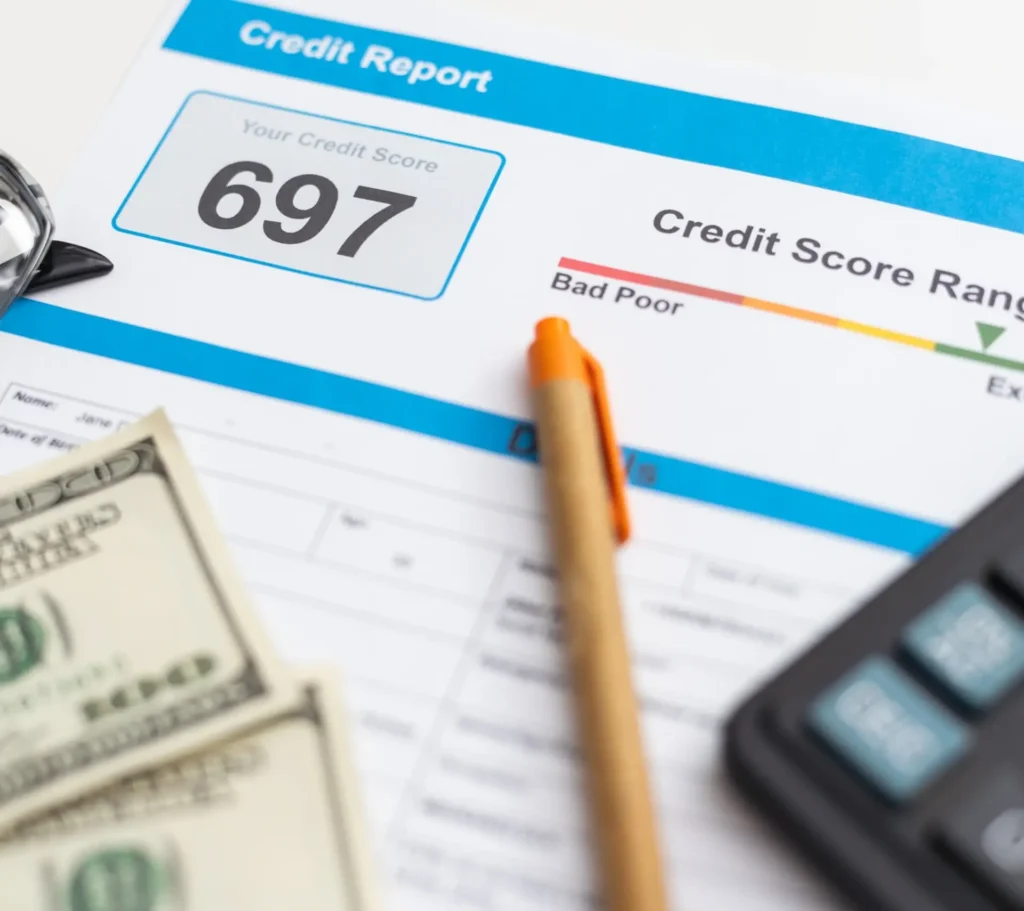
As a first-time homebuyer, your credit score plays a bigger role than you might realize for getting you into your new home. Think of it as a snapshot of how reliably you’ve handled credit in the past. Lenders use this number to determine not only whether you qualify for a mortgage, but also how much it will cost you to borrow the money.
If your credit score is strong, lenders see you as a lower-risk borrower and a more serious buyer. That often means access to better interest rates and, in some cases, a lower down payment requirement. Even a small improvement in your interest rate can save you thousands of dollars over the life of your loan, which makes your credit score incredibly powerful.
On the other hand, if your score is lower, lenders may require a larger down payment or offer a slightly higher interest rate to offset their risk. Most mortgage lenders look for a minimum score somewhere in the 580 to 600 range, though higher scores typically unlock better loan terms. While that doesn’t affect the home price, it can have a significant effect on the overall price you pay for your loan.
One of the best first-time home buyer tips is to focus on your credit before you start house hunting. Paying down balances, making on-time payments, and avoiding new debt can all help strengthen your score.
It’s also helpful to work with an experienced loan officer who can review your credit and guide you on smart next steps. A knowledgeable professional can offer personalized recommendations to help you improve your score as efficiently as possible and position you for success when you’re ready to apply.
Tip #2: Debt-To-Income Ratio Management

Most mortgage lenders require a maximum debt-to-income ratio (DTI) of 45% to 55 %. That means the total amount of debt you have shouldn’t be more than 45% to 55% of your income each month, and that includes your new mortgage payment. Your DTI is a good indication of how easily you can make those mortgage payments. If your DTI is high, it may make it hard for you to comfortably make payments each month.
As a result, before you apply for a home loan, make sure you can afford the monthly payment. Mortgage calculators can help you see where you’re at, long before you get to the loan origination stage. Look for ways to reduce your debt before you enter this process, as you don’t want to borrow more than you can afford. In fact, many experts suggest keeping this figure below 25%, though for first-time homebuyers, it’s often expected to be higher.
You’ll want to work closely with an experienced loan officer to determine which debts you should pay down to give you a drop in your debt-to-income ratio if it’s too high right now. When you get yourself in the best financial position possible to purchase a home, you can prove to lenders that you can comfortably make monthly mortgage payments.
Tip #3: Build Your Down Payment & Closing Costs

A down payment on a house is a big part of being able to afford it. While your current credit debt matters, you also need to have money in cash that you can use to pay towards the purchase price of the home. Having money in the bank opens up options for you, and most lenders require down payments because they reduce risk, and the more you put down, the better.
When you have a good down payment you may qualify for:
- Lower interest rates
- Reduced monthly mortgage payments
- Potentially avoiding the cost of private mortgage insurance (PMI)
Historically, people believed that the only way to buy a home was to make a down payment of 20% of the purchase price, but that’s just not true. Most first-time buyers qualify for far less, and even as low as 3%, depending on the type of mortgage loan.
Some people may even qualify for down payment assistance, which means you could lower your down payment requirement to as low as 0% out-of-pocket. In recent years, the median down payment for first-time homebuyers was around 6%. In addition to the down payment, you’ll need to pay closing costs, which generally include:
- Real estate appraisal
- Title fees
- Recording fees
- Title insurance
- Escrow deposit details
- Pest inspections
- Application fees
- Origination fees
- Survey fees
If you don’t have a down payment or closing costs saved up, be aggressive about managing your financial health right now and work to build up your bank account. You can do a lot of things to improve your financial situation, including slashing any expenses you can to save more and budgeting carefully to minimize your monthly spending.
You may also want to lower your rent payments if you can and establish an emergency fund, so you can use that to make emergency payments instead of using a credit card. Additionally, take time to learn about state and local housing initiatives, as well as down payment assistance programs that could help, and look into FHA loans that have a lower required down payment amount.
Tip #4: Know Your Mortgage Loan Options

There are so many programs and grants available to first-time buyers, which is wonderful, but it can also feel a little overwhelming. The key is not to jump into a loan simply because it sounds appealing, since every program works a little differently, and what’s right for someone else may not be the best fit for you. Taking time to understand how each option works, what it may cost over time, and what you personally qualify for will help you make a confident decision.
If you’re buying in Virginia, there are numerous first-time home buyer Virginia programs to get you the support you need to buy a home, and of course, working with a knowledgeable mortgage lender can make all the difference in understanding your eligibility and comparing your loan options side by side. There are several loans to consider.
Many first-time home buyers choose conventional loans. While they don’t always include the same government-backed benefits as FHA, USDA, or VA loans, they can offer competitive interest rates and flexible terms, especially if you have a stronger credit profile or a larger down payment saved.
As you compare mortgage quotes, pay close attention to details such as:
- The Annual Percentage Rate (APR) (the total cost of borrowing expressed as a rate)
- The loan term (how long you’ll be paying it back)
- Your monthly payment
- Down payment requirements
- Closing costs
- Any points you might pay
- Lender fees
Looking at all of these pieces together will help you determine which loan offers the best overall value, not just the lowest interest rate.
One of the most important tips for first-time home buyers is to check whether your state offers official homebuyer programs. Many provide down payment or closing cost assistance, and some grants may not need to be repaid at all.
With the right guidance and a clear understanding of your options, you’ll be able to choose a mortgage that supports both your home ownership dreams and your long-term financial well-being.
There are numerous programs and grants available to first-time buyers, but you shouldn’t simply choose one without considering how they work, what they could cost you, and what you qualify for overall.
Conventional Loans
Conventional loans are the most common type of mortgage in the U.S. and are often used by people buying real estate with a good down payment and an excellent credit score. The most important things to know about these loans are:
- Down payments are typically as low as 3% to 5% (though some may be much larger depending on the lender)
- You need a good credit score.
- You need a lower debt-to-income ratio.
- If you put down less than 20%, you’ll need to use private mortgage insurance (PMI) to minimize lenders‘ risk.
FHA loans
FHA loans are government-backed mortgage loans for real estate that offer lower barriers to entry. Because FHA loans are backed by the federal government, you may qualify with lower credit scores than what other lending programs require. FHA mortgage loans will come with some eligibility stipulations. Key features of these specific loans include:
- You can have a higher debt-to-income ratio than with other types of loans.
- You can have lower credit scores and still qualify. The general qualification range is between 500 and 579, with a higher down payment.
- You will need a 3.5% down payment if your credit score is 580 or higher, but if your score is lower, you may need a larger down payment.
VA loans
VA loans are backed by the federal government through the VA. These loans are available to current and retired members of the US Armed Forces and provide numerous benefits, including:
- No down payment requirement.
- Interest rates tend to be much lower.
- Can use this type of loan many times (not just as a first-time home buyer).
USDA loans
USDA loans can be an option for those entering the housing market in more rural areas, and many suburban areas may qualify. USDA loans offer:
- Lower mortgage rates than other loans.
- Easier borrowing criteria, including lower down payment requirements, which can help when buying your first house.
- Low credit scores may still qualify, depending on how much mortgage down payment you make.
As you explore mortgage options, be sure to work with a local agent who can give you the insight you need within any area. A good real estate agent can help you find out which regions in your area qualify for USDA loans, along with providing helpful tips for first-time home buyers.
Tip #5: Preparing For Homeownership

As we navigate first-time home-buying tips, you don’t want to overlook the importance of preparing to be a homeowner. To do that effectively, you’ll need insight into what you can expect. Some of the recommendations to consider include:
- Use resources like our affordability calculator. This will help you set realistic homebuying budgets based on your current personal finances.
- Talk to your real estate agent about the realistic budget for the type and size of home that best suits your needs in various neighborhoods.
Don’t rush into buying a home, as that can leave you short of savings for a down payment or for closing costs.
Tip #6: Mortgage Prequalification

Mortgage prequalification is the first step to obtaining a mortgage. It involves a comprehensive process in which your loan officer gathers and verifies all your financial documents and credit details. Once they have this information, they can provide you with a detailed, tentative loan approval, meaning that as long as these elements stay the same (such as your income, credit, and expenses), you can expect to qualify for this loan.
Make sure you’re clear on your first-time home buyer budget as you move through the prequalification process, though, to ensure you’ll have some money left over for emergencies after you get your mortgage. This is one of the most important tips for buying a house.
When you get a mortgage prequalification letter, it comes directly from your mortgage lender and creates a way for you to communicate with the home seller that you have the availability of financing to purchase the home and, likely, can make the purchase within a matter of weeks or months.
There are numerous advantages to having a prequalification letter when approaching a home to buy, including:
- It clarifies loan terms for you
- It can help speed up the home closing process
- It aids in understanding budget constraints early on in the home search process
- It helps to give the seller confidence that you have the means to purchase the home if you make an offer (which could make your offer competitive in a limited market).
- It gives you a competitive edge within the marketplace.
Tip #7: Researching Neighborhoods

While your focus may be on lower monthly payments and interest rates for a home loan, don’t overlook the importance of finding the perfect community to call home when buying a first house. You’ll want to do your research in areas such as:
- Local entertainment options
- School ratings
- Commute times to and from places you visit
- The local real estate pricing trends within the area
- Demographic data that may be important to you
- Neighborhood ambiance and traffic
- Noise levels
Once you have an idea of how well the community fits your needs, you’ll want to determine whether it’s a good investment. To do that, consider the local real estate market trends (are home values growing?) and economic factors that might impact you, like the local job market.
Also, check out the neighborhoods in person: walk through them to get a feel for them, and visit at various times of day to get a realistic sense of the area.
Tip #8: Home Buying Wish List

Creating your home-buying wish list is one of the most exciting parts of the journey. It’s where you get to imagine your future, but one of the smartest tips for first-time home buyers is learning how to separate what you truly need from what would simply be nice to have.
Start by thinking about your real-life day-to-day needs, and consider both your current lifestyle and where you see yourself in the next five years. Will your family grow? Do you work from home? Is being close to schools, work, or family important to you? These practical factors will shape what makes a home truly functional for you.
As you build your list, think about:
- The number of bedrooms and bathrooms you genuinely need
- The amount of square footage that feels comfortable
- The type of home (single-family, townhouse, condo) that best fits your lifestyle
- The neighborhood and commute that support your routine
It’s completely natural to feel excited when you walk into a house that’s beautifully staged or has that “wow” factor. But try not to let emotions take the lead too quickly. In competitive markets, especially, emotional decisions can lead to stretching beyond your budget or making rushed offers.
Instead, ask if the home supports your needs for the next several years. If the answer is yes, that’s a strong sign you’re on the right track.
When you finalize your wish list, clearly separate your “needs” from your “wants.” Your needs should always be justifiable and non-negotiable. Your wants are bonuses, and if you find a home that checks both boxes, that’s something truly special.
Tip #9: Finding The Right Real Estate Agent

Real estate agents are the backbone of the home-buying process. They’re critical advocates who work by your side, and they’re knowledgeable about the local area and the market, making them critically important to first-time homebuyers who may be just starting out.
The relationship between a homebuyer and their agent should be founded on trust and comfort, ensuring a collaborative and stress-free home-buying journey. To do that, learn as much as you can about the real estate agent, including:
- Local track record within the community
- Any online reviews of the agent
- Their online presence (how well they are known in the community)
- How do they communicate, and does that fit your needs?
- Do they have specific expertise in the type of home that is right for you (such as investment properties or a network of available sellers in a competitive market)?
Carefully reviewing the real estate agent’s contract, including commission rates and duration terms, can also help protect your interests and should ideally be limited to six months or less.
Tip #10: House Hunting

Armed with a real estate agent and a good idea of how the home-buying process works, the next step is to start the process of finding your ideal home. To make that possible, you’ll want to carefully consider:
- Look at properties just below your price limit to give yourself some wiggle room when you bid. You don’t want to choose a budget beyond your personal financial means.
- Stick to your budget to minimize house payment stress and the risk of being house poor.
- Be patient as you navigate the market. The right home is out there, but finding it isn’t always easy.
- Visit open houses to learn more about the various homes, styles, and features you can expect to find locally. Also, consider the home’s noise level, the amount of work that needs to be done, and any safety concerns.
- Take virtual tours, but do the in-person tour to get a better sense of the home’s flow.
- Sometimes it’s great to look at homes with unrealized potential, especially when you’re handy and on a budget.
- Consider the home’s age and condition, including what may need to be repaired or replaced in the coming months and the first few years. This may include elements like electrical, plumbing, and roofing.
There are benefits to using a real estate agent‘s multiple listing service (MLS) to find available homes that may not be readily available online. This could give you access to some great deals that may not be easy to find on your own
I always tell clients that location and layout are the two most important things to consider. They’re the only things you won’t be able to change in the home. Everything else, like paint color and flooring, can be changed much more easily. In fact, I have plenty of contractors in my rolodex that I can refer you to, and they can get wholesale discounts on paint, flooring, cabinets, countertops, and more!
Tip #11: Making An Offer And Negotiating

You found the home that just feels right. Now it’s time to shift from dreaming to strategizing and put together a strong, thoughtful offer. If you’re buying in a seller’s market, competition can be tight. In those situations, making a competitive offer might mean:
- Offering above the listing price
- Putting down a larger earnest money deposit to show you’re serious
- Including an escalation clause to stay competitive if multiple offers come in
- Limiting certain contingencies that could slow down the sale
Don’t worry, though, because you won’t have to figure this out alone. One of the best home-buying tips is to lean on your real estate agent’s expertise. They’ll help you craft a negotiation strategy that aligns with market conditions and your comfort level.
Sometimes, strong negotiation isn’t just about price. It can also mean being flexible with the seller’s preferred closing date, especially if they need extra time to move. Small gestures, like not asking for furniture or overlooking minor cosmetic repairs, can also make your offer more appealing without significantly affecting you in the long term.
At the same time, it’s completely normal to negotiate. Price, repair requests, and appraisal gaps are all common discussion points, especially depending on local market conditions. The goal is to find a balance that feels fair and manageable for everyone involved.
And don’t forget about closing costs! These are the fees required to finalize your mortgage and typically range from 2% to 6% of your loan amount. Planning for them ahead of time ensures there are no surprises and keeps your purchase affordable and comfortable.
Tip #12: The Importance Of Home Inspections And Appraisals

A home inspection assesses a property’s condition and can uncover potential issues, offering you valuable insight about your potential new home. An inspection should include a review of the home’s structural integrity, a check of all major systems, and additional specialized checks for anything not otherwise covered, including pest inspections.
Lenders require a home appraisal for all mortgages to ensure the offered loan matches the property’s value. Appraisals mitigate financial risk in case of loan default, because the appraisal process assesses a home’s market value based on location, condition, and comparisons with recently sold similar properties, usually after an offer is accepted. You need the home’s value to be high enough in the eyes of appraisers to secure the loan.
Tip #13: Understanding Home Insurance

Home insurance is a critical financial tool to protect your investment, and if your home is lost due to a covered risk, like a fire, insurance can help cover the costs of repairing or replacing both the home and the belongings inside.
Not only that, but your home insurance also provides liability coverage, which can help cover your costs if a person claims you hurt them (such as someone falling in your home) or your dog bites them.
The amount of coverage you need shouldn’t be based on the current value of the home, but on the cost to rebuild it and replace all ofyour belongings. You should also have additional insurance coverage for any highly valuable assets, such as art collections or jewelry.
Before you choose an insurance policy, you need the right home insurance provider. Compare local professionals before you select one, and also note that insurance premiums can be lowered by increasing your deductible (the amount you’ll pay out before insurance kicks in).
You may also want to look for ways to improve your home’s safety, such as adding security measures. Look for discounts on home insurance, too, like bundling it with your car insurance, and make sure you conduct regular policy reviews to ensure the policy you chose continues to meet your goals.
Tip #14: Closing Process And Moving In

After all the searching, planning, and paperwork, you’re about to officially become a homeowner. The final step is called closing, and it’s when you sign the legal and financial documents that transfer ownership from the seller to you.
On closing day, you’ll meet with the appropriate parties (often your lender and a title representative) to review and sign the final documents. Be sure to bring a valid photo ID and any items your lender has asked for in advance. It can feel like a lot of paperwork, but take your time and read everything carefully. This is your home and your investment, and you deserve to fully understand what you’re signing.
On average, the full closing timeline takes around 30 to 45 days from contract to keys, so patience and attention to detail really pay off. Once the documents are signed and the lender funds the loan, the title officially transfers, and just like that, you’re a homeowner. It’s a pretty incredible moment.
After closing, a new chapter begins. You’ll want to plan for things like moving expenses, any renovations or updates you’d like to complete before moving in, and your longer-term improvement goals. Also, don’t forget to consider ongoing costs like utilities, property taxes, and homeowners’ insurance, as well as regular home maintenance to protect your investment.
Creating a simple maintenance schedule for major systems like HVAC, roofing, and plumbing can help you stay organized and avoid costly surprises down the road, as well.
Tip #15: Long-Term Home Ownership Success

Once you’ve moved in, don’t stop working to maintain the value of your home. There are several big steps to take at this point, including taking on repairs. To get started, find out what routine maintenance tasks are required based on the system’s manufacturer guidelines, including for your home’s HVAC and appliances.
Remember, don’t wait. The sooner you take on those repairs, the lower your overall costs are likely to be. Then, you can focus on prevention strategies, too, as keeping what you’ve bought in good shape is among the most important home-buying tips.
You’ll need to create a budget that reflects the current costs of owning your home, which can change every few months, because your budget needs to factor in the following:
- Mortgage payments
- Insurance costs
- Property taxes
- Utility costs
- Homeowner association fees
- Routine maintenance costs
Making additional payments on the mortgage principal or refinancing to a shorter loan term can build equity more quickly and save on interest, and even making just a few extra payments a year can make a huge difference in what you pay to buy your home over time.
Reach Out to a Trusted Real Estate Agent to Start the Journey
If you’re wondering should you rent or buy first, you’re not the only one, but working with the right professionals can give you answers and help make your home ownership dreams come true. You need the top real estate agent in Virginia Beach as your Realtor, and that would be me! Get in touch today to learn more about how I can help you at every stage of the home-buying process.

Jake Maines is a REALTOR® with Iron Valley Real Estate Hampton Roads, serving buyers and sellers across Virginia Beach. Virginia salesperson license #0225247466, held since August 2020. He is a two-time Circle of Excellence recipient, Gold in 2023 and Platinum in 2024, and was named to Inside Business’s Top 40 Under 40 in 2023. He is a member of NAR and CoVAR.
FAQ About First-Time Home Buying
What credit score do I need to buy a house for the first time?
Most lenders look for a minimum credit score between 580 and 600 to qualify for a mortgage, though requirements vary by loan type. Conventional loans typically require higher scores (often 620+), while FHA loans may allow lower scores with a larger down payment. A higher credit score helps you qualify for better interest rates and lower monthly payments.
How much money do I need for a down payment on a home?
The amount depends on the loan program. Some conventional loans allow as little as 3% down, FHA loans typically require 3.5%, and VA or USDA loans may offer 0% down for qualified buyers. However, you’ll also need to budget for closing costs, which usually range from 2% to 6% of the loan amount.
What is debt-to-income ratio (DTI), and why does it matter?
Your debt-to-income ratio compares your monthly debt payments to your gross monthly income. Most lenders prefer a DTI below 45%, and lower is better. Lower DTI shows lenders that you can comfortably handle a mortgage payment.
What’s the difference between prequalification and preapproval?
Prequalification is an initial estimate of how much you may be able to borrow based on self-reported financial information. Preapproval is a more in-depth process where a lender verifies your income, assets, and credit. A preapproval letter carries more weight when making an offer on a home.
How long does the home-buying process take?
On average, the closing process takes about 30 to 45 days after your offer is accepted. The entire process, from financial preparation to move-in, can take several months depending on your readiness and the local market conditions.
What are closing costs when buying a home?
Closing costs are fees required to finalize your mortgage and transfer ownership of the home. They may include appraisal fees, title insurance, lender fees, inspections, escrow deposits, and recording fees. These costs typically range from 2% to 6% of your loan amount.
Do I really need a real estate agent as a first-time buyer?
While it’s not legally required, working with an experienced real estate agent can make the process much smoother. An agent helps you navigate negotiations, paperwork, inspections, and local market conditions, which is especially helpful if you’re buying your first home. Plus, your buyer’s agent can typically negotiate their fees to be paid by the seller, so you don’t have to come out of pocket for their assistance!
What home-buying tips should I prioritize when house hunting?
Focus on location and layout first, because those are the hardest things to change. Cosmetic features like paint, flooring, and fixtures can be updated later. Create a clear list of “needs” versus “wants” to avoid emotional decisions.
Is a home inspection necessary when buying a house?
A home inspection is an important part of the home-buying process that helps uncover potential structural, mechanical, or safety issues before you finalize the purchase. It provides peace of mind and may give you leverage to negotiate repairs or credits.
How can I avoid becoming “house poor” when buying a home?
Just because a lender approves you for a certain amount doesn’t mean you should spend it. One of the biggest home-buying tips is to choose a home with a monthly payment that comfortably fits within your budget while still allowing room for savings, emergencies, and lifestyle expenses.
Are there first-time homebuyer assistance programs available?
Many state and local programs offer down payment assistance, closing cost grants, or special loan options for first-time buyers. Some grants do not require repayment. Speak with a knowledgeable loan officer to explore what’s available in your area.
What expenses should I plan for after closing?
Beyond the mortgage, one of the biggest tips for first-time home buyers is to budget for property taxes, homeowners’ insurance, utilities, maintenance, repairs, and possibly HOA fees. Setting aside funds for ongoing upkeep is essential for long-term homeownership success.
For Expert First-Time Home Buyer Advice: Contact Jake Maines Today!
Are you looking to begin your experience as a homeowner, or have some questions? Look no further. As a trusted Virginia Beach Realtor, I offer services for experienced investors and those buying their first home. My specialty is supporting the entire process of purchasing and selling Virginia Beach Homes For Sale while providing helpful advice.
I’m here to help first-time home buyers every step of the way through the process. This guide has discussed numerous tips based on my experience and understanding gained from years of training and experience.