Your search results

Unlocking the Answer: How Much Down Payment on a House Do You Need?

Posted by Jake Maines on March 6, 2026
0

If you’re thinking about buying a home, one of the first, and most intimidating, questions that comes up is: “How much down payment do I actually need?” You’ve probably heard everything from “20% or don’t bother” to “You can buy with almost nothing down,” which only adds to the confusion.

The truth is, the right down payment depends on your finances, loan type, and long-term goals. Here’s what to think about when you’re looking for answers, so you can break down your options and understand how much down payment on a house you truly need to move forward with confidence.

Key Takeaways

  • A down payment is often required to buy a home and is the cash you put down toward the purchase. Your lender can help you understand the minimum down payment on a house as a first-time buyer.
  • The amount of a house down payment is dependent on the loan program you select.
  • How much down payment on a house depends on various factors, and there can be financial benefits to both a larger down payment and a smaller down payment, depending on your goals. 
  • If your minimum down payment requirement is lower, that could mean that you’re able to buy a home sooner.
    For those who need help, down payment assistance programs are available for potential buyers who qualify.

Are You Ready to Buy a Home?

understanding down payment on a house

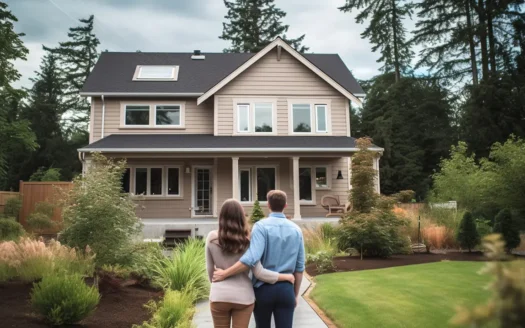
Buying a home is an exciting step, but it’s also a big one. Before you dive in, it’s important to make sure you truly feel financially ready. That starts with understanding your budget, your monthly comfort level, and how a mortgage payment will fit into your overall financial picture.

One of the most common questions first-time buyers ask is, “How much do I need for a down payment?” And the honest answer is, it depends. The amount you’ll need for a down payment on your first home can vary based on the type of loan you choose, your credit profile, and the price of the home. Some loans require as little as 3% down, while others may require more. In some cases, you may even qualify for programs that offer down payment assistance.

It’s also worth thinking about whether putting more money down makes sense for you. A larger down payment can lower your monthly payment and potentially reduce certain costs, but it’s important not to stretch yourself too thin. You’ll want to leave room in your budget for closing costs, moving expenses, and the everyday realities and monthly costs of homeownership.

A great way to begin your journey is to explore your local real estate market, get pre-approved for a mortgage, and take a close look at your finances. When you understand what you can comfortably afford, you’ll have a much clearer picture of what your median down payment should look like, and that means you can move forward with confidence.

Taking the first steps to buying a house seriously will facilitate a smoother transaction and ensure you’re well-prepared for the financial aspects of home ownership, including the down payment.

What Is a House Down Payment?

house down payment
  • A down payment is the cash you’ll put toward purchasing the home. This isn’t a mortgage or loan, but money earned and built up over time to put towards the purchase. Down payments are critical for various reasons, including:
    • Lenders appreciate larger house down payments. It shows the home buyer is less likely to default on the loan because they have money in the property, resulting in home equity.
    • House down payments help to reduce the amount mortgaged. That contributes to a lower monthly payment. The down payment on a house can be adjusted by using a mortgage calculator, so you can see what works best for you.
    • In some situations, a down payment could help you qualify for a lower interest rate. That means the home may cost less to purchase overall.
  • A down payment on a house is often required, though some lenders may offer no-down-payment options. Still, it’s often in your best interest to have one. The question is, then, how much is necessary?

The Type of Mortgage Loan Can Affect How Much Down Payment on a House Is Needed
type of mortgage loan and down payment on house

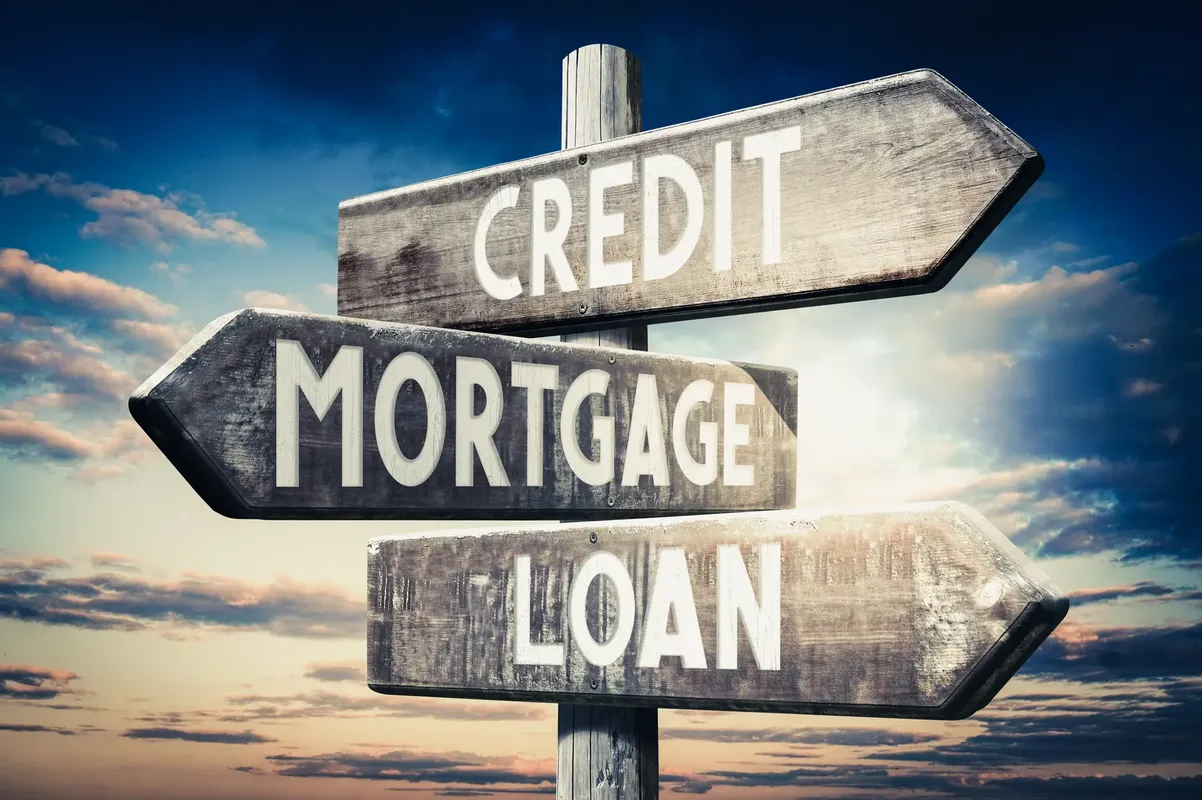
One of the most important first-time homebuyer benefits is down payment assistance. While not all first-time buyers qualify for down payment assistance, many do. The down payment required depends on the loan program used, and a down payment assistance program could help you bulk up your down payment or cover it entirely.

Regardless, first-time homebuyers often are unsure how much money they need to have available upfront to put towards a home purchase. To determine this, consider the various types of loan programs and the down payment each typically requires, as well as what you can comfortably put down.

Conventional Home Loan Minimum Down Payment
house down payment

A big part of the “How much house can I afford?” question is tied to the monthly payment and loan amount, but the down payment also plays a significant role. That down payment can vary widely depending on the type of loan you choose.

A conventional loan is one of the most popular mortgage options. In fact, the majority of home loans in the U.S. fall into this category. If you have solid credit and a stable financial profile, this type of loan can offer you flexibility and competitive terms.

For a primary residence, conventional loans often require as little as 3% to 5% down, depending on the program and your qualifications. If you’re buying a second home, you’ll typically need at least a 10% down payment. For investment properties, lenders usually require a larger down payment, sometimes 15% to 25% or more, since these purchases carry additional risk.

There are also special circumstances to keep in mind. For example, if you’re buying a home for a disabled parent or child, even if you won’t personally live there, it’s often still classified as a primary residence. That means you may still qualify for the lower 3% to 5% down payment range. It’s always a good idea to talk through unique scenarios with a knowledgeable lender, so you understand how they apply to you.

In general, putting more money down can sometimes help you secure a better interest rate and lower your monthly payment, but it’s important to balance that with keeping enough savings on hand for emergencies and other home ownership expenses.

Conventional loans also follow conforming loan limits set each year by the Federal Housing Finance Agency (FHFA). For 2026, the baseline conforming loan limit for most areas is $832,750, though higher-cost areas have higher limits. If your loan amount exceeds the local limit, it becomes a jumbo loan, which often comes with stricter qualification requirements and a higher down payment.

Because loan limits and guidelines can change, checking current limits through trusted sources like Fannie Mae, Freddie Mac, or the FHFA, or speaking directly with a lender, can help you make the most informed decision.

FHA Loans Minimum Down Payment Requirements
FHA Loans Minimum Down Payment Requirements

An FHA loan is a common option for first-time home buyers. The Federal Housing Administration (FHA) provides government-insured loan guarantees to mortgage lenders, enabling borrowers without extensive home-buying experience to access a home. FHA, a program administered by the Department of Housing and Urban Development (HUD), is a very common way to borrow funds. The program was first put in place to provide borrowers with lower credit scores and higher debt-to-income ratios with affordable mortgage rates and loans.

It’s not just for first-time homebuyers, and repeat buyers can use these loans, as well. FHA down payments tend to be a bit more flexible than those for conventional mortgage loans. Typically, these loans require a 3.5% down payment, and they can’t be used to buy investment properties.

Determining the required down payment for an FHA loan can be a bit tricky. First, there are some situations where the home buyer will need a down payment of 10% or more. This occurs when the homebuyer has a very low credit score, typically below 580.

However, FHA loan minimum down payment requirements can be as low as 3.5% of the purchase price. This type of loan can be used for properties with 1 to 4 units, as long as the borrower lives in one of them. FHA mortgages offer other benefits, too, including low closing costs and easier credit qualifications.

Like conventional loans, FHA loans have a limit as well. In 2026, in Virginia Beach and the Hampton Roads area, this limit is $757,850.

How Much Down Payment On A House With VA Loans?

The Department of Veterans Affairs (VA) provides some people with help in purchasing real estate and achieving home ownership through VA home loans. It applies to active-duty military professionals and veterans seeking a VA-backed loan. There are several excellent benefits to the home-buying process for veterans, including no down payment required.

This type of home loan can only be used to purchase a primary residence, and won’t work for investment properties or second homes.

There are also a few important things to know about these loans, even if you don’t need a large down payment and need less money upfront. First, there’s a funding fee that is required as part of the home-buying process. This fee is based on the house down payment amount and home value, and it varies depending on whether you’ve used a VA-specific loan previously.

When it comes to down payment loan requirements, here are a few things to remember:

  • First use of the VA loan: In this situation, the fee is 2.15% of the purchase price.
  • For first-time buyers using a VA loan, the funding fee drops to 1.5% when a 5% down payment is made, and to 1.25% when a 10% down payment is made.
  • If this is the second time using a VA loan, there’s no down payment requirement. The fee here is still 3.3%. If you put down more than 5% down, the VA funding fee drops to 1.5%; if you put down more than 10%, it drops to 1.25%.

This fee isn’t required up front, and it can be added to the loan. That means the fee is paid off over the life of the loan, instead of with the down payment on a house at closing.

How Much Down Payment On A House With USDA Loans?

USDA Loans

The U.S. Department of Agriculture (USDA) is another avenue for obtaining financial support and a lower average down payment for a home purchase. USDA loans were designed to spur economic activity in rural areas, and eligibility depends on where you decide to buy a home. This often leads to no down payment requirement and lower monthly mortgage insurance payments than with FHA loans and others. USDA loans also offer flexible loan terms and loan options that keep interest rates, monthly payments, and home buying power aligned with your goals.

If you’re considering a USDA loan, one of the most important things to understand is what actually qualifies as “rural.” The term can be a little misleading, since USDA-eligible areas aren’t necessarily farmland or remote countryside. They’re simply locations the USDA has identified as areas they’d like to support for growth and development. While you won’t find USDA-eligible properties in the middle of a major city like New York, you may be surprised to learn that certain areas around Virginia Beach and throughout Hampton Roads do qualify.

In the Hampton Roads region, USDA-eligible areas include Isle of Wight, Surry, Southampton, Gloucester, Williamsburg, James City, and New Kent Counties. Because eligibility can change, it’s always a good idea to confirm specific addresses using the USDA’s property eligibility map or by speaking with a lender familiar with the program.

USDA loans work a little differently from other mortgage options, and that’s where they can really help buyers who need to make only a small down payment on a house. With many traditional loans, putting less than 20% down means you’ll likely pay private mortgage insurance (PMI), which increases your monthly payment. FHA and conventional loans often include this added cost when the down payment is low.

One of the biggest benefits of a USDA loan is that it doesn’t require traditional PMI, and it also offers 100% financing for eligible buyers, meaning no down payment is required. Instead, USDA loans include a 1% upfront guarantee fee (which can often be rolled into the loan) and a 0.35% annual fee, calculated based on the remaining loan balance and included in your monthly payment.

For many buyers, that combination of no down payment and lower ongoing fees makes USDA loans an incredibly affordable path to homeownership in eligible areas.

Down Payment Assistance: Minimum House Down Payment Requirements Explained

Downpayment Assistance: Minimum House Down Payment Requirements Explained

Saving for a down payment can feel like one of the biggest hurdles on your path to homeownership, and if you’re feeling that pressure, you’re definitely not alone. Many buyers have solid credit, steady income, and enough room in their budget for a monthly mortgage payment, but coming up with a lump-sum down payment is the hardest part.

The good newsis that there are programs designed specifically to help. If your finances show that you’re ready for a mortgage but short on upfront cash, down payment assistance programs may provide the support you need. Using these programs is among the most valuable tips for first-time home buyers because they can make the difference between waiting years to buy and moving forward sooner than you thought possible.

Depending on the program and your qualifications, assistance can significantly reduce what you need to bring to closing. Some options lower the required down payment to as low as 1%, and certain loan programs, such as USDA or VA loans, may not require a down payment at all for eligible buyers. Many of these programs are offered through state and local housing agencies.

In Virginia, one of the most well-known resources is Virginia Housing’s Down Payment and Closing Cost Assistance programs. These programs pair your primary mortgage (Conventional, FHA, USDA, or VA) with either a grant or a second loan that helps cover your down payment and closing costs. For many first-time and even repeat buyers, this can mean purchasing a home with little to no money out of pocket.

Keep in mind that these programs typically have income limits to ensure assistance goes to buyers who truly need it. Because guidelines vary, one of the best steps you can take is to speak with a knowledgeable mortgage lender who can walk you through your options and help you find the right fit.

Let Jake Demystify Minimum House Down Payments For You!

first time homebuyers closing on a house

I’m Jake Maines, one of the top Realtors in Virginia Beach, and I can help you navigate this challenging situation by providing hands-on support to help you meet the minimum down payment requirements. If you’re buying a home in Virginia Beach, get in touch with me today for immediate help from a member of the National Association of Realtors proudly serving the Virginia Beach area.

Picture of Jake Maines, Virginia Beach Realtor

Jake Maines, Virginia Beach Realtor

Jake Maines is a Virginia Beach Realtor known for his market knowledge and exceptional client service. His real estate journey, beginning in 2020, showcases a successful transition from marketing to realty and investing, marked by a passion for helping clients find their dream homes. Recognized as one of Inside Business 40 Under 40 and ranking in the top 8% of Hampton Roads Realtors in his first year, Jake's accolades affirm his expertise. A member of NAR and HRRA, he upholds the highest ethical standards. Community involvement and continuous professional development make him a trusted, authoritative Virginia Beach real estate expert.

Learn More

FAQ About Putting a Down Payment on a House

The 20% down payment rule is a common myth. While putting 20% down can help you avoid private mortgage insurance (PMI) and reduce your monthly payment, many loan programs allow much lower down payments, sometimes as little as 3% or even 0% for qualified buyers.

The minimum down payment on a house depends on the loan type. Conventional loans may require as little as 3% down, FHA loans typically require 3.5% (or 10% with lower credit scores), and VA and USDA loans may offer 0% down for eligible borrowers.

It can be better to put more money down on a house because a larger down payment reduces your loan amount, lowers your monthly mortgage payment, may qualify you for a better interest rate, and can eliminate PMI. However, putting less down may allow you to buy sooner and preserve cash for emergencies or investments.

If you put less than 20% down on a conventional loan, you’ll typically need to pay private mortgage insurance (PMI). FHA loans require mortgage insurance regardless of down payment. VA and USDA loans don’t require PMI but may include funding or guarantee fees. PMI is typically only an additional $50-$100/month and is included in your payments. It’s well worth it to not have to wait and save up the 20% while also continuing to rent, as home prices continue to rise each year.

Yes, in some cases, you can buy a home with no money down. VA loans and USDA loans offer 0% down payment options for qualified buyers. Additionally, some state and local down payment assistance programs may help cover upfront costs.

Down payment assistance programs are offered by state or local governments and housing agencies. They may provide grants (which don’t require repayment) or second loans to help cover your down payment and sometimes closing costs. Most programs have income limits and eligibility requirements.

Your credit score can influence both your loan eligibility and required down payment. For example, FHA loans may require a 10% down payment if your score falls below 580, while borrowers with stronger credit may qualify for lower minimums and better interest rates.

Conventional and FHA loans have loan limits that vary by location. If the purchase price exceeds those limits, you may need a jumbo loan, which often requires a higher down payment.

You generally shouldn’t use all your savings for a down payment, because it’s important to maintain an emergency fund for unexpected expenses, repairs, or life changes. Lenders also like to see that you have reserves after closing.

The right amount of house down payment depends on your financial situation, loan options, long-term goals, and comfort level with monthly payments. Getting pre-approved and speaking with a knowledgeable lender can help you determine the best strategy for your specific situation.

For More Info On Minimum House Down Payments

For Expert Advice On How Much Down Payment On A House Is Needed:
Contact Jake Maines Today!

This field is for validation purposes and should be left unchanged.
Name(Required)

Are you looking to begin your experience as a homeowner in Virginia, or have some questions? Look no further. As a trusted Virginia Beach real estate agent, I offer services for experienced investors and those buying their first home. My specialty is supporting the entire process of purchasing and selling Virginia Beach Homes For Sale while providing helpful advice.

I’m here to help first-time home buyers every step of the way through the process. This guide has discussed in detail everything you need to know about the down payment necessary to purchase your dream home. If you have any unanswered questions, don’t hesitate to contact me. I’m here to help.

Compare Listings