
We Buy Houses Scams: Red Flags Every Virginia Beach Seller Should Know
TL;DR:
- Most “we buy houses” offers are lowball scams that strip sellers of tens of thousands.
- Reputable cash buyers exist, but you must verify proof of funds, check credentials, and never skip a title company.
- Selling with a Realtor may potentially net you 10% to 40% more than an offer from a cash home buyer, even after repairs and commissions.
- One Virginia Beach seller I worked with added $35,000 to her bottom line by investing $15,000 in targeted improvements instead of accepting a cash offer.
- Start by determining your home’s true market value with my free home value tool, then get a professional comparative market analysis.
- What Are "We Buy Houses" Scams?
- The 7 Biggest Red Flags In "We Buy Houses" Scams
- How the Lowball Math Actually Works
- Cash Buyer vs. Realtor: Which Option Puts More Money In Your Pocket?
- How To Verify Whether a Cash Buyer Is Legitimate
- Can You Get Scammed by Responding To a Text Or Mailer?
- Jake’s Take
- What One Client’s Story Tells Us About Preparation vs. Panic Selling
- How To Know What Your Virginia Beach Home Is Actually Worth
-
Frequently Asked Questions
- Can a "we buy houses" company back out after you've signed a contract?
- Do I owe anything if a cash buyer backs out during the inspection period?
- Is it legal for a cash buyer to assign my contract to another investor without telling me?
- What should I do if I have already signed a contract with a cash buyer and feel pressured?
- How is a cash offer different from an iBuyer offer?
If you’re selling a home in Virginia Beach, you’ve probably seen the signs that say, “We Buy Houses for Cash,” but are these offers too good to be true? In many cases, they’re we buy houses scams designed to strip equity from unsuspecting sellers. Before you respond to that text, mailer, or yard sign, it’s essential to understand what you’re really dealing with.
What Are "We Buy Houses" Scams?
We buy houses scams are schemes in which individuals or companies make unsolicited cash offers for your home, then use deceptive tactics to lock you into a price far below fair market value.
These pitches reach you through bulk mailers, handwritten notes, text messages, cold calls, and bandit signs on street corners, and they often target homeowners who appear distressed, behind on payments, or who own older properties. According to an NC DOJ consumer alert, the offers may sound simple but come with hidden hooks, such as contracts that let the buyer renegotiate later, pressure to skip a title company, or outright lies about what your home is worth.
Not every cash buyer is a scammer. Some legitimate cash buyers and real estate investors will provide proof of funds, use standard title and escrow, and give you time to review the contract. The difference lies in transparency and in whether they respect your right to walk away. When you’re selling your home, knowing the red flags can save you from leaving serious money on the table.
The 7 Biggest Red Flags In "We Buy Houses" Scams

Watch for these seven warning signs that a cash buyer isn’t acting in your best interest.
- No proof of funds. A legitimate buyer will send a bank statement or letter from a financial institution showing they have the cash to close. If they refuse or make excuses, walk away. The NC DOJ warns that scammers often have no money behind their offer.
- High-pressure “sign today” tactics. Any buyer who says the offer expires in 24 hours or pushes you to sign without reading the contract is trouble, and real transactions give you time to consult a real estate agent or attorney.
- No independent inspection allowed. Scammers may claim they’ll buy as-is, but then insert a clause that lets them inspect later and renegotiate. A ProPublica investigation found that some companies use the inspection to chip away at the price, knowing you’re already locked in.
- Contract language that lets them renegotiate after you sign. Watch for “assignment” clauses or vague inspection contingencies. If the contract lets them adjust the price or back out for any reason, you’re taking all the risk.
- Targeting distressed or elderly owners. Scammers pull public records to find homes with tax liens, foreclosure notices, or owners who’ve lived there for decades. A consumer article describes how these pitches prey on people who feel they have no other option.
- Vague or missing company address. A legitimate business has a physical address, a website, and real people you can meet. If the only contact is a cell phone and a P.O. box, be skeptical.
- Requests to skip the title or escrow. Some scammers pressure you into signing the deed directly, leaving you still responsible for the mortgage payments with your lender. The NC DOJ consumer alert calls this a classic scam pattern.
How the Lowball Math Actually Works
Cash buyers buy homes at a deep discount to resell or rent for a profit. Here’s how the numbers typically shake out for a home in Virginia Beach.
| Scenario | Sale Price | Repairs & Prep | Agent Commission (6%) | Net to Seller |
|---|---|---|---|---|
| As-Is Cash Offer (70% of ARV) | $280,000 | $0 | $0 | $280,000 |
| Sell with a Realtor After Minor Repairs | $400,000 | $15,000 | $24,000 | $361,000 |
Above assumes a home with an after-repair value of $400,000. Cash buyers typically offer 50–70% of ARV, according to Houzeo data.
In this example, the seller loses $81,000 by going with the cash buyer. You can estimate your net proceeds from a full-price home sale to see what you’d actually walk away with.
Why Cash Buyers Offer So Much Less Than Market Value
Most cash buyers are investors who plan to fix and flip the property or hold it as a rental. They factor in holding costs, renovation expenses, and their own profit, so if they pay close to retail, there’s no deal. When you sell to a cash buyer, you’re trading equity for speed. I’ve written a guide about what to do if your house is in disrepair, which can reduce your hassle and help you make more profit than you would in a cash sale.
What Happens When They Renegotiate After the Inspection?
Even if the initial offer sounds reasonable, many cash-buyer contracts include an inspection contingency that allows them to come back with a lower price. The ProPublica investigation documented cases where bad actors dropped the price by tens of thousands of dollars after the seller had already mentally committed. By then, you’ve taken the home off the market and lost valuable momentum.
Cash Buyer vs. Realtor: Which Option Puts More Money In Your Pocket?

Selling with a Realtor typically nets you 10% to 40% more than a cash buyer offer, even after commissions and repairs.
| Factor | Cash Buyer | Realtor (Traditional Sale) |
|---|---|---|
| Speed of Sale | Often closes in 7 to 14 days | Average 30 to 60 days on market |
| Sale Price | 50% to 70% of market value | Close to full market value |
| Fees/Commissions | No agent commission, but the low price is the hidden cost | 5% to 6% commission, split between agents |
| Repairs Required | None (as-is) | May need some prep to maximize value |
| Certainty of Closing | Lower, because contracts often let buyers walk or renegotiate | Higher, with a qualified buyer and standard contingencies |
| Control Over Timeline | Buyer dictates terms | You choose the list date and negotiate the closing |
Cash buyers do fill a legitimate niche. If you’re facing foreclosure, handling an inherited property you can’t maintain, or need to relocate in a week, a verified cash offer might be your best option. However, in most situations, the financial hit isn’t worth the speed or the chance of a ripoff. If you want to sell your home for maximum value, preparation and market exposure almost always win.
How To Verify Whether a Cash Buyer Is Legitimate
How can you tell if a cash buyer is legit? Start by requesting written proof of funds and verifying their business registration as a wholesaler.
Here’s a simple checklist I recommend to every seller:
- Ask for a proof-of-funds letter. A legitimate house buyer will provide a recent bank statement or a letter from a financial institution. If they won’t, that’s a deal-breaker.
- Check their business registration. Look up the company name with the Virginia State Corporation Commission to see if they’re a real home-buying company.
- Insist on a standard title and escrow company. Never let the buyer choose the title company without your input. The NC DOJ alert emphasizes that closing through a neutral third party protects you.
- Have a Realtor or attorney review the contract. Cash-buyer contracts often contain clauses that let them assign the deal or renegotiate, and a professional eye can spot these.
- Check online reviews and complaint history. Search the company name plus “scam” or “complaint.” Look at the Better Business Bureau (BBB) and state attorney general sites.
Legitimate cash buyers welcome these steps, but scammers will push back or disappear. Going through this checklist first means you can still sell your house as is for cash with confidence, as long as it’s on your terms and not the buyer’s timeline.
Can You Get Scammed by Responding To a Text Or Mailer?

Responding to an unsolicited message doesn’t automatically mean you’re being scammed. Still, it signals that your number is active and you’re open to offers, which can lead to more aggressive pitches.
Scammers often pull phone numbers and addresses from public property records. When you reply, even to say “stop,” you confirm that a real person is on the other end. That information can be sold to other operators, putting you on what some investigators call a “sucker list.” The NC DOJ consumer alert advises against engaging with unsolicited offers that seem too good to be true, as they often include hidden fees and other risks.
If you’re curious about a cash offer, do your own research first. Contact a trusted Realtor for an honest opinion of your home’s value before you respond to a random text.
Jake’s Take
I’ll say something most agents won’t: I know these buyers because I came up working with investors, and I understand exactly how they build an offer. There’s a real model behind those signs, and there are also operators who count on you being tired and uninformed. The single best protection is knowing your real number before you ever reply to that text. That’s free, and I’ll give it to you. Sell Ready exists because I kept watching sellers hand over $30,000 to $40,000 in equity for a speed they didn’t actually need. A verified cash buyer has a place, but just make sure you’re choosing them with the numbers in front of you, not because someone rushed you.
What One Client’s Story Tells Us About Preparation vs. Panic Selling

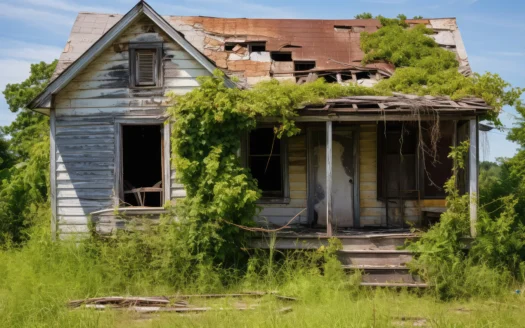
One of the most satisfying transactions I’ve handled involved a seller whose home needed work, but she didn’t have the cash to pay for repairs up front. A “we buy ugly houses” cash buyer would’ve offered her a fraction of the property’s value. Instead, we took a different path.
I evaluated the home and identified targeted improvements, including paint, wall repairs, and new carpet. We coordinated the work, which cost about $15,000. The result was that the home sold for $400,000 instead of an estimated $350,000 as-is. After subtracting the repair cost, she walked away with roughly $35,000 more at closing.
That’s exactly what my Sell Ready program is designed to do. I help sellers identify the improvements that actually move the needle, manage the contractors, and cover the upfront costs until closing. You don’t need to panic-sell to a cash buyer just because your home isn’t perfect. With a little preparation, the numbers often tell a very different story and help you avoid common scams.
How To Know What Your Virginia Beach Home Is Actually Worth

You can find out what your home is truly worth by starting with my free home value tool for an instant estimate, then get a comparative market analysis from a licensed Realtor for a precise valuation.
Knowing your real market value is your first defense against a lowball cash offer, as scammers count on sellers not understanding what their property could fetch with the right positioning. My home value tool gives you a solid starting point in seconds, using local market sales data.
From there, I can prepare a detailed comparative market analysis that accounts for your home’s condition, recent neighborhood sales on the open market, and current buyer demand. When you know the true number, you’ll recognize a bad offer instantly.

Jake Maines is a Virginia Beach Realtor known for his market knowledge and exceptional client service. His real estate journey, beginning in 2020, showcases a successful transition from marketing to realty and investing, marked by a passion for helping clients find their dream homes. Recognized as one of Inside Business 40 Under 40 and ranking in the top 8% of Hampton Roads Realtors in his first year, Jake's accolades affirm his expertise. A member of NAR and HRRA, he upholds the highest ethical standards. Community involvement and continuous professional development make him a trusted, authoritative Virginia Beach real estate expert.
Frequently Asked Questions
Can a "we buy houses" company back out after you've signed a contract?
Yes, many cash-buyer contracts include broad inspection or financing contingencies that let the buyer walk away or renegotiate. The NC DOJ alert warns that sellers often believe the deal is final, only to see the price drop or the buyer disappear after the inspection.
Do I owe anything if a cash buyer backs out during the inspection period?
Typically, no. If the buyer cancels within the contingency window, you don’t owe them anything, but you’ve lost time, and your home may have been off the market. Some contracts try to lock you in with a “liquidated damages” clause, so have an attorney review anything before you sign.
Is it legal for a cash buyer to assign my contract to another investor without telling me?
It depends on the contract language, but many cash-buyer agreements include an assignment clause that lets them sell the contract to another investor. The ProPublica investigation found that this practice is common and often happens without the seller’s knowledge, leaving you dealing with an unknown buyer at closing.
What should I do if I have already signed a contract with a cash buyer and feel pressured?
Contact a real estate attorney immediately, and don’t sign any amendments or agree to a lower price. In many cases, you can cancel the contract if the buyer hasn’t met their obligations, but you need legal advice specific to Virginia law. The NC DOJ recommends reporting suspicious behavior to your state attorney general’s office.
How is a cash offer different from an iBuyer offer?
iBuyers like Opendoor and Offerpad use automated valuation models to make instant offers, and they typically pay closer to market value than we buy houses companies do. However, iBuyers still charge a service fee (often 5% to 12%) and may deduct for repairs after an inspection. A HomeLight guide explains that iBuyers are generally more transparent than the random cash buyer with a yard sign. Still, neither replaces a full market listing if you want top dollar for your real estate transaction.